
Table of Contents
Exploring Career Changes from Hair Styling
Imagine Sarah, a talented hair stylist with over a decade in bustling salons, feeling the weight of long hours and unsteady tips. Like many, she’s contemplating a hair stylist career change to escape the physical strain and seek stability. This transition from hairstyling often stems from burnout, where repetitive tasks lead to exhaustion, or income variability, with the average hair stylist salary hovering around $33,530 annually according to BLS data.
Common motivations include market saturation in hair stylist jobs, with employment projected to grow just 8% through 2032–slower than average–prompting professionals to pivot beauty careers. Yet, hair stylists bring invaluable transferable skills like exceptional customer service, creativity in design, and precision in execution. These open doors to roles in sales, event planning, or even education without needing years of retraining. For those in Utah, local barber programs in Utah offer low-barrier entry points, blending hands-on skills with fresh opportunities.
Transitioning from hairstyling can rejuvenate your passion and leverage your expertise, and rebuild financial security. In the following sections, we’ll explore specific options, benefits, and practical steps to make your move seamless and rewarding.
Understanding Options for Hair Stylist Transitions
Transitioning careers can feel daunting, but for hair stylists seeking new horizons, recognizing existing strengths opens doors to fulfilling alternatives. This section explores how skills honed in salons translate to other fields, outlines viable paths, and helps evaluate personal drivers for change, with a focus on opportunities in Utah’s vibrant service sector.
Identifying Transferable Skills
A successful hair stylist career change often starts with mapping out core abilities that extend beyond the chair. Skills such as customer service, where stylists build lasting rapport during consultations, prove invaluable in various roles. Creativity shines in designing unique looks, while manual dexterity and precision from cutting and coloring apply to hands-on professions. In Utah’s service industries, these talents align well with tourism and retail, where engaging clients drives success.
Transferable skills form the backbone of smooth transitions, allowing stylists to leverage years of experience without starting from scratch. The following table illustrates how key competencies from hair styling match demands in alternative careers, drawing on Bureau of Labor Statistics data showing high demand for interpersonal and creative roles.
| Skill | Hair Stylist Application | Alternative Career Example |
|---|---|---|
| Customer Interaction | Building rapport during consultations | Sales Roles: Client relationship management |
| Creativity | Designing hairstyles | Education/Training: Developing curricula |
| Precision | Cutting techniques | Beauty Sales: Product demonstrations |
These comparisons highlight how stylist expertise eases entry into new fields, as noted in career transition stats from Indeed, where over 40% of beauty professionals pivot using similar skills. For instance, customer interaction directly supports sales positions, while creativity fuels educational content creation. This alignment reduces barriers, making hairstylist pivot strategies more accessible and less intimidating.
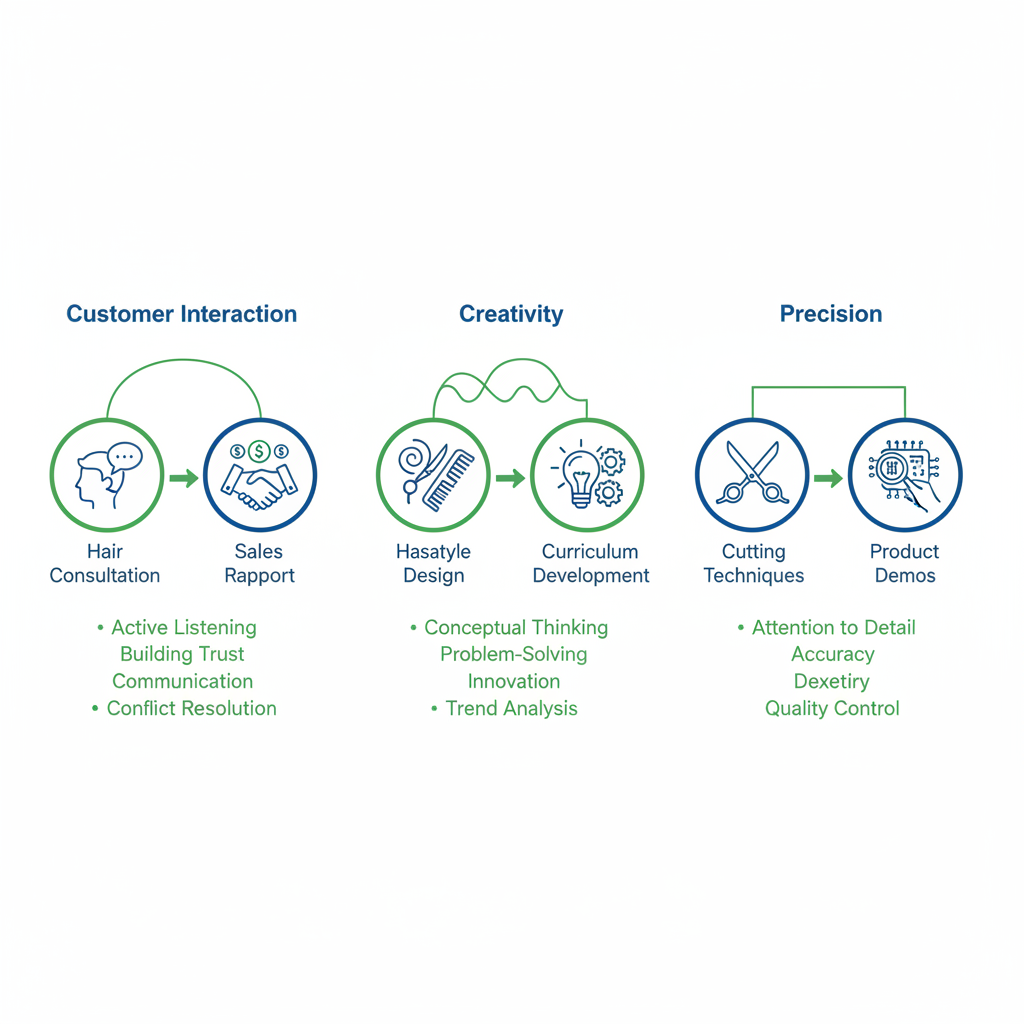
Transferable skills infographic for hair stylists exploring career transitions
Understanding these overlaps empowers stylists to confidently explore beauty industry exits, particularly in Utah where service-oriented jobs abound.
Common Career Paths After Hair Styling
Many former hair stylists thrive in roles that capitalize on their interpersonal and artistic flair, often without extensive retraining. Sales positions in cosmetics or real estate suit those adept at client consultations, leveraging trust-building for commissions. Education, like training salon staff or teaching beauty workshops, draws on creative expertise. Barbering offers a natural shift, with programs emphasizing similar techniques but broader grooming services. Event planning benefits from styling’s organizational side, coordinating looks for weddings or corporate functions. Other paths include salon management for business acumen or customer success in tech, all requiring minimal new schooling.
In Utah, local resources like barber schools facilitate these moves. For those considering a hair school career change, short programs at institutions such as The Barber School in Midvale provide hands-on training for barbering licenses, blending familiar skills with fresh opportunities. Real examples abound: stylists transitioning to sales report higher earnings through product demos, while event planners credit their eye for detail to salon roots. These paths answer queries on what former hairstylists do now, showcasing low-barrier options that refresh routines without full overhauls.
Assessing Personal Motivations for Change
Evaluating why you want to leave hair styling ensures a purposeful shift. Burnout from long hours or the physical toll of standing all day often prompts reflection, as do desires for growth amid stagnant advancement. Consider salary plateaus; the average hair stylist salary hovers around $35,000 annually per BLS data, prompting many to seek higher-paying fields like sales averaging $60,000.
Job market insights reveal hair stylist jobs saturation in urban areas, with Utah’s competitive scene pushing stylists toward diversified roles. Use this self-assessment checklist to clarify motivations:
- Are physical demands causing strain, such as repetitive motions leading to fatigue?
- Do financial goals align with current earnings, or is there room for salary growth elsewhere?
- Is creative fulfillment waning due to routine services?
- What work-life balance improvements, like fewer evenings, appeal most?
Addressing these questions, informed by industry stress reports from Indeed, helps weigh pros and cons. Recognizing motivations not only validates the pursuit of change but also highlights advantages like renewed energy and stability in pivoting careers.
Benefits of Transitioning from Hair Styling
Transitioning through a hair stylist career change can open doors to more sustainable professional paths, especially for those in Utah seeking balance and growth. Many stylists find that leaving the salon grind leads to enhanced well-being and new prospects. This section highlights key advantages, drawing from real experiences and data to show how such shifts foster long-term satisfaction.
Improved Work-Life Balance
One major draw of a hair stylist career change is the chance to escape the relentless physical toll and erratic schedules of salon life. Hair styling often involves standing for hours, leading to back pain and fatigue, but alternative roles offer standard 40-hour weeks with fewer weekends. For instance, moving to sales or administrative positions reduces physical strain by about 20%, allowing time for family and hobbies.
Stylists who made the switch share compelling stories. A former Salt Lake City stylist noted on Reddit, “After years of late nights and aching feet, my new office job lets me see my kids in the evenings–it’s a game-changer.” Another from Provo added, “Flexible hours mean no more holiday rushes; I finally have weekends off.” These testimonials underscore the relief from on-call demands.
- Reduced physical demands enable better health and energy for personal pursuits.
- Predictable schedules support consistent self-care and family time.
- Less exposure to chemicals improves overall wellness.
In Utah’s supportive vocational environment, such changes align with adult learners prioritizing stability over hustle.
Financial and Growth Opportunities
A hair stylist career change often boosts earnings and opens advancement ladders unavailable in salons. While hair stylist salary varies with tips and client volume, medians hover around $33,000 annually per BLS data, with irregular paychecks creating stress. Transitioning to fields like sales or customer service provides base salaries plus commissions, averaging over $50,000, offering financial security.
Growth potential expands too, with structured promotions unlike the plateau in styling. For example, entry-level sales roles can lead to management within two years, doubling income. Utah’s job market supports this, with stable positions in retail and education providing benefits like health insurance–rare in independent hair stylist jobs.
Testimonials highlight the payoff: A Reddit user from Ogden shared, “I left styling for real estate; my income jumped 40% in the first year, no more chasing tips.” Another said, “Advancement to team lead gave me purpose beyond cuts and colors.”
- Stable income replaces tip dependency for budgeting ease.
- Career tracks offer raises and leadership roles.
- Benefits like retirement plans secure future stability.
The Bureau of Labor Statistics projects steady growth in these sectors, making them viable for stylists seeking progression.
To illustrate these gains, consider the following comparison based on BLS salary data and Indeed work condition insights:
| Aspect | Hair Styling | Alternative Career (e.g., Sales) |
|---|---|---|
| Work-Life Balance | Long hours, physical demands | Standard 40-hour weeks, less strain |
| Income Potential | Variable tips, median $33k | Base salary + commissions, avg $50k+ |
| Skill Utilization | Creative but repetitive | Broad application in client-facing roles |
This table highlights how alternatives address styling’s limitations. Metrics from reliable sources like BLS show income disparities clearly, while Reddit anecdotes confirm lifestyle improvements. When deciding, prioritize aspects like flexibility or earnings based on personal goals–many Utah stylists find sales roles balance both effectively.
Leveraging Skills in New Industries
A hair stylist career change allows creative talents to shine in diverse fields, particularly in Utah’s dynamic economy. Stylists excel in client interaction, trend awareness, and personalization–skills transferable to marketing, education, or even barbering. For instance, salon charisma translates to sales pitches, while color expertise aids graphic design.
In marketing, former stylists craft campaigns drawing on aesthetic intuition, often in Salt Lake’s vibrant agencies. Education roles, like training coordinators, use teaching prowess from client consultations. Utah’s vocational paths, such as enrolling in a barber school utah, build on grooming knowledge for licensed roles with less repetition.
One Reddit testimonial from a Draper stylist read, “My creativity now fuels social media content for a beauty brand–far more rewarding.” Another shared, “Teaching workshops leverages my styling tips without the daily grind.” These shifts reward industry experience with broader impact.
- Client-facing skills enhance roles in customer service or consulting.
- Artistic flair applies to creative industries like event planning.
- Local Utah opportunities, including vocational training, provide quick upskilling.
By pivoting, stylists in Midvale or beyond discover post-stylist advantages that amplify their unique strengths, leading to fulfilling industry shift rewards.
How the Transition Process Works
Embarking on a hair stylist career change can feel daunting, but with a structured approach, you can pivot smoothly without returning to full-time schooling. This roadmap outlines practical steps tailored for stylists in Utah seeking fresh opportunities, such as barbering roles that leverage existing skills. Focus on a 3-6 month stylist shift timeline to build momentum and reduce financial stress.
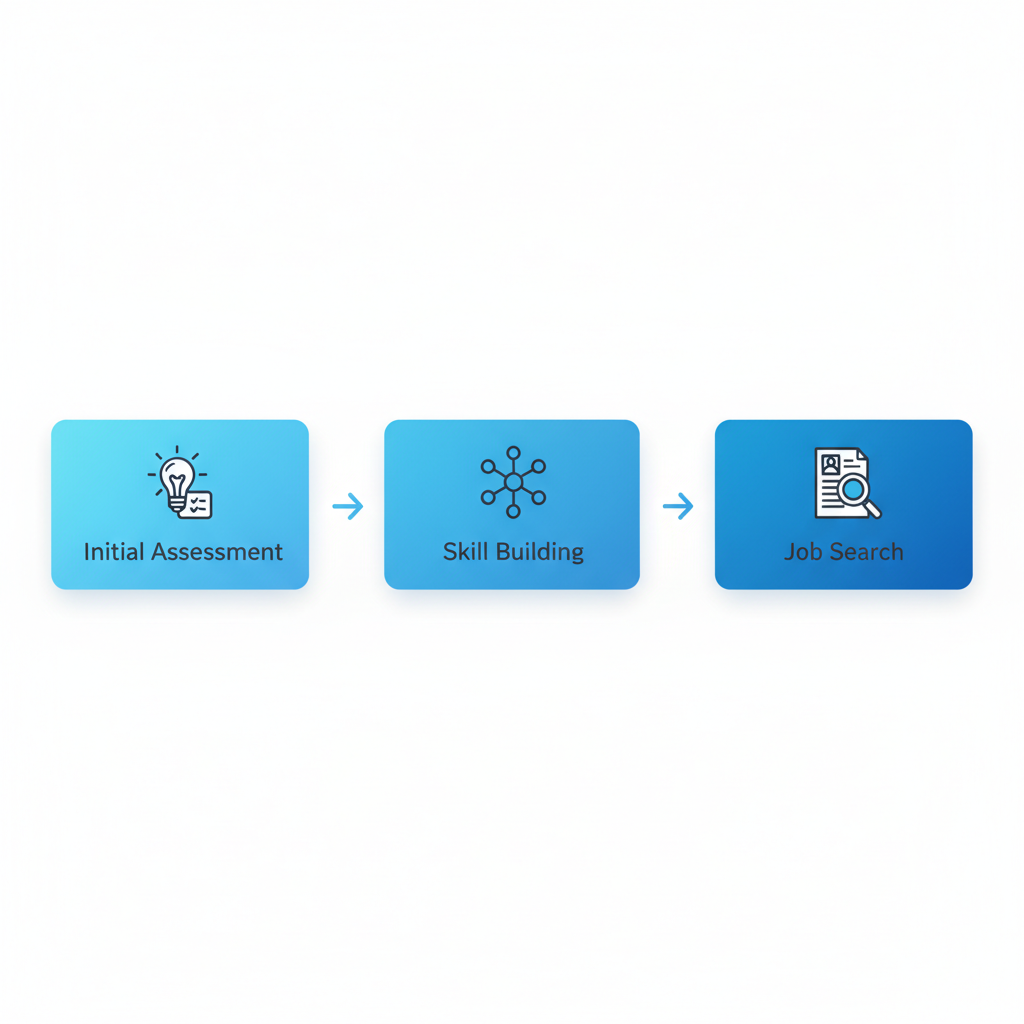
Career transition process for hair stylists in three key stages
The chart above visualizes the core phases, helping you map your career pivot roadmap. By breaking it down, you’ll address common concerns like transitioning without school and comparing hair stylist salary across states, especially when eyeing local options in Utah.
Initial Assessment and Planning
Start your hair stylist career change by conducting a self-evaluation to identify strengths and gaps. Begin with a SWOT analysis: list your strengths, like client communication and precision cutting; weaknesses, such as limited administrative skills; opportunities, including growing demand for salon managers; and threats, like market saturation.
- Set clear goals: Decide on your target field, such as barbering or beauty sales, and outline a 3-6 month timeline.
- Assess finances: Review your current hair stylist salary and budget for the transition, factoring in potential dips during the shift.
- Create a plan: Draft a simple roadmap with milestones, like completing assessments in week one.
For example, a stylist in Salt Lake City might aim for a barber role, using free online templates for goal-setting. Reference career path guides emphasize skill audits to ensure realistic pivots. Checkpoint: What are your top three transferable skills, and how do they align with your dream role?
Skill Building and Networking
Once assessed, focus on enhancing your abilities through accessible methods, avoiding lengthy programs. Update your resume to highlight styling expertise as customer service wins, and enroll in free online courses on platforms like Coursera for business basics or digital marketing.
- Build skills: Take short tutorials on barber techniques, which often overlap with styling, and explore shortcuts like obtaining a hair design license utah for quick entry into related fields.
- Network strategically: Join LinkedIn groups for beauty professionals and attend local Utah events, such as salon expos in Midvale.
- Seek mentors: Connect with successful hairdressers who’ve pivoted, drawing from stories of those who networked into management roles.
This phase typically spans 1-3 months, building confidence without formal schooling. For instance, one stylist used free videos to learn inventory skills for retail jobs. Checkpoint: Who in your network could introduce you to opportunities in your target industry?
Job Search and First Steps
With skills sharpened, launch your search for new positions, adapting tactics from hair stylist jobs to broader fields. Tailor applications to emphasize creativity and reliability, and use Utah-specific boards like KSL Jobs or Indeed for listings in barbering and beyond.
- Apply targeted: Customize resumes for entry-level roles, incorporating anecdotes from styling interviews, like handling difficult clients.
- Prepare for interviews: Practice responses that tie hair experience to new demands, such as teamwork in spa settings.
- Monitor progress: Track applications weekly and adjust based on feedback, aiming for 5-10 submissions per week.
Utah’s vibrant beauty scene offers roles in Provo or Ogden, with relocation tips for salary variations. Career change ideas highlight how stylists succeed by leveraging local networks. For example, applying to student barbershops can ease into supervised positions. Checkpoint: Have you scheduled your first informational interview to test the waters?
This process sets the stage for sustainable growth, but watch for pitfalls like rushing timelines in the next section.
Best Practices for Successful Transitions
Navigating a hair stylist career change requires more than just desire; it demands strategic planning to avoid setbacks and build momentum. Many former stylists succeed by focusing on structured approaches that leverage their existing skills while exploring new opportunities like administrative roles or sales positions in beauty. This section outlines key strategies to ensure your effective stylist shift leads to long-term fulfillment.
Avoiding Common Pitfalls
Common mistakes can derail even the most motivated transitions, such as undervaluing transferable skills from years of client interaction and creative problem-solving. Rushing into new fields without research often leads to mismatched expectations, while neglecting financial planning ignores the reality of shifting from commission-based income. Isolation during the process limits insights from peers who have navigated similar paths. Finally, skipping resume adaptation fails to highlight relevant experience, making it harder to stand out.
To sidestep these, start with a detailed self-assessment to identify strengths like customer service that apply broadly. Dedicate time to explore options thoroughly, using resources like Reddit threads where former hairstylists share regrets about abrupt exits without backup plans. Don’t overlook the importance of updating your professional narrative to showcase achievements in a way that appeals to non-beauty sectors.
The following table contrasts common pitfalls with proactive best practices, drawing from real experiences shared in online forums and career advice platforms:
| Common Pitfall | Impact | Best Practice |
|---|---|---|
| No Skill Inventory | Missed opportunities | Conduct thorough assessment |
| Isolated Networking | Limited leads | Join local groups in Utah |
| Ignoring Salary Research | Financial surprises | Compare via BLS data |
Adopting these practices minimizes risks and sets a strong foundation. For instance, those who inventory skills early report smoother applications, avoiding the frustration of overlooked qualifications. Outcomes include faster job placements and reduced stress, as evidenced by Indeed’s guidance on resume building for career changers.
Building Support Networks
A robust support system accelerates your hair stylist career change by providing guidance and opportunities. Seek mentors who have made similar shifts, perhaps through professional associations, to gain personalized advice on leveraging your portfolio in new contexts.
- Connect with online forums like Reddit’s hairstylist communities for shared stories on transitioning to roles in wellness or education.
- Attend vocational fairs in Utah to network with potential employers in related fields.
- Explore local resources such as the utah hair school, which offers workshops that bridge beauty skills to broader career paths.
- Build peer groups via LinkedIn for ongoing encouragement.
Don’t skip networking; it’s crucial for uncovering hair stylist jobs that value your expertise. In Utah, joining groups like the state’s cosmetology associations can open doors to hybrid positions. These connections not only provide leads but also emotional support during uncertain times, turning potential obstacles into stepping stones for success.
Measuring Progress and Adjusting
Tracking your advancement ensures your transition success tips evolve with your needs, preventing stagnation in the hair stylist career change process. Set clear milestones, such as completing skill certifications within three months or securing informational interviews by quarter’s end.
- Use journals or apps to log achievements and challenges weekly.
- Solicit feedback from mentors to refine your approach.
- Review financial goals, comparing your current hair stylist salary expectations against new role benchmarks via reliable data sources like the Bureau of Labor Statistics.
- Pivot as needed, such as upskilling if initial job pursuits stall.
Regular check-ins reveal what’s working, like adapting resumes to meet hair stylist job requirements in adjacent industries. If progress slows, adjust by exploring varied options, such as part-time gigs to test waters. End with this checklist: Assess skills quarterly, network monthly, track salary research annually, and celebrate small wins to maintain motivation toward a rewarding new chapter.
Next Steps in Your Career Pivot
As you consider a hair stylist career change, remember the transferable skills like client communication and creative styling that open doors to fulfilling roles. Utah’s vocational landscape, with its supportive programs and growing demand, makes this an ideal place to start your styling transition. You’ve explored benefits such as flexible schedules and entrepreneurial potential, along with processes for smooth pivots. The key is turning insights into action for rewarding future career moves.
Ready to take charge? Follow this 3-step plan:
- Assess your skills: Inventory your experience in hair care and identify gaps using free online tools or school advisors.
- Network locally: Connect with hair stylist jobs in Utah through community events or platforms; visit schools for insights.
- Explore barbering: Enroll in a program to obtain your barber school hair design license, blending creativity with practical training.
Challenges like retraining are surmountable with Utah’s accessible resources. According to the BLS, employment for barbers, hairstylists, and cosmetologists is projected to grow 8% through 2032, faster than average, offering stability. Use net price calculators on sites like The Barber School (801-666-4743) to plan education costs. Embrace this pivot–your new chapter awaits with vibrant opportunities and competitive hair stylist salary prospects nationwide.